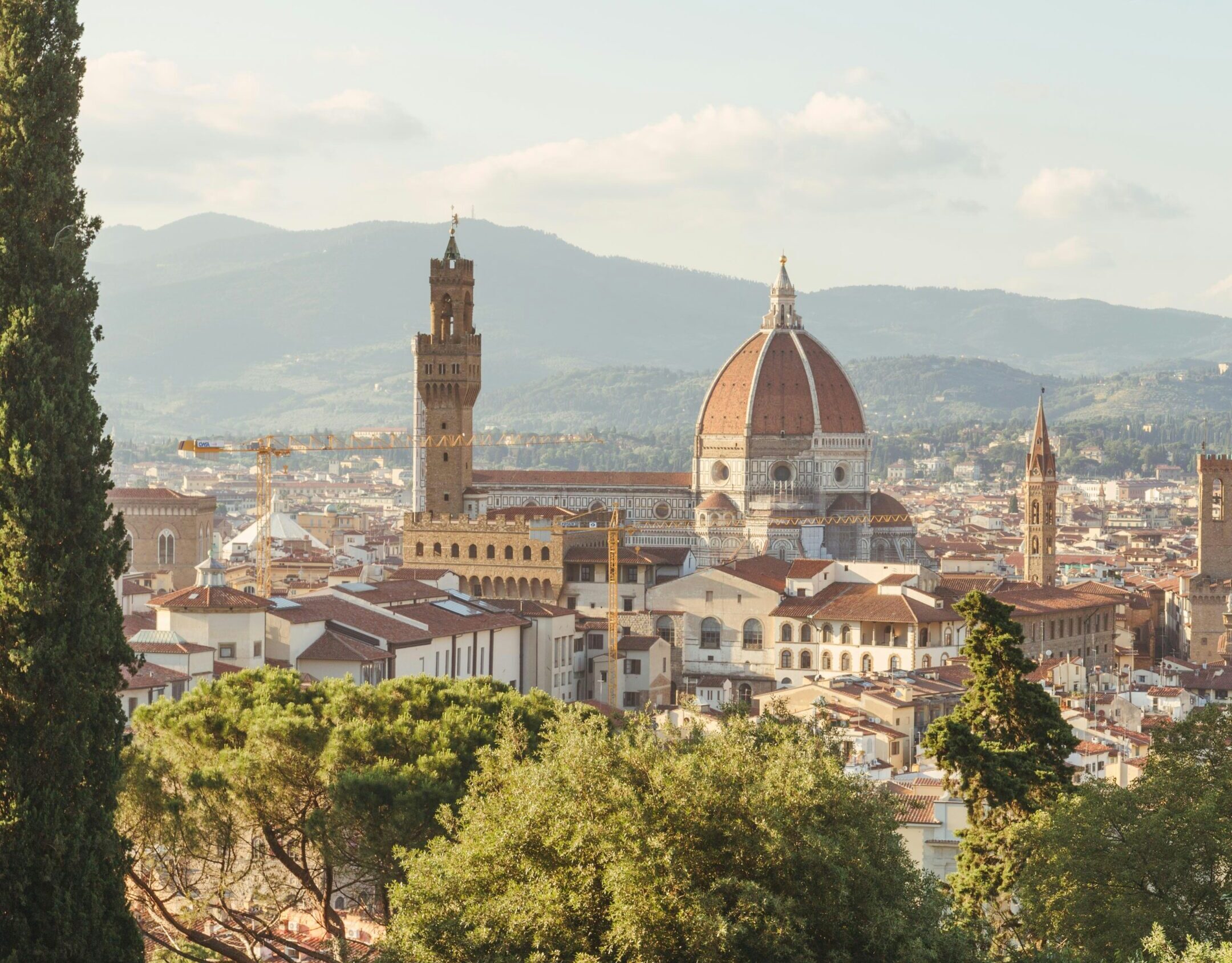
Florence, then the sea.
An old Italian habit, and still the right one.
Two hotels, eighty minutes apart, and by the end of the week nobody could agree on which one they’d go back to. That’s the recommendation. Do both.
Both sit under pine trees with outdoor pools. Villa Cora keeps its interiors classic. Byron has added a modern wing next to the old villa. Both are run by families, and both take the food seriously. Start with the city. Florence asks a lot of a visitor, so give it the energy while you still have it.
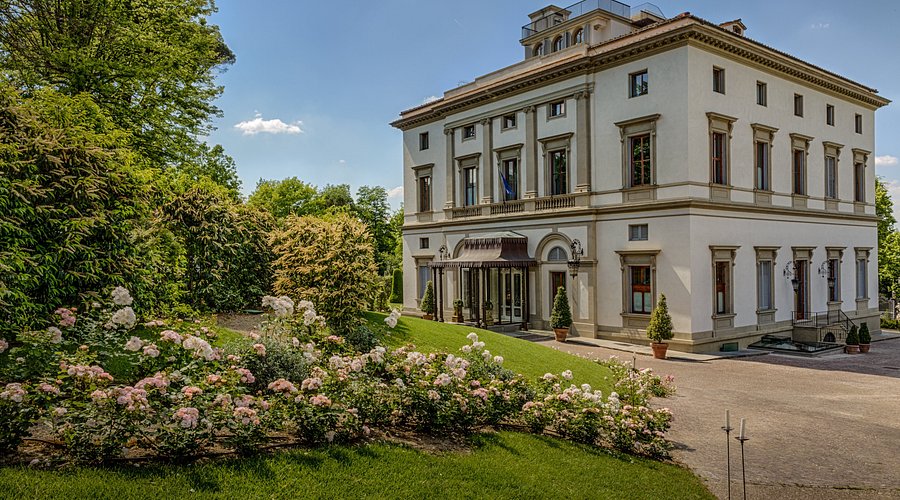
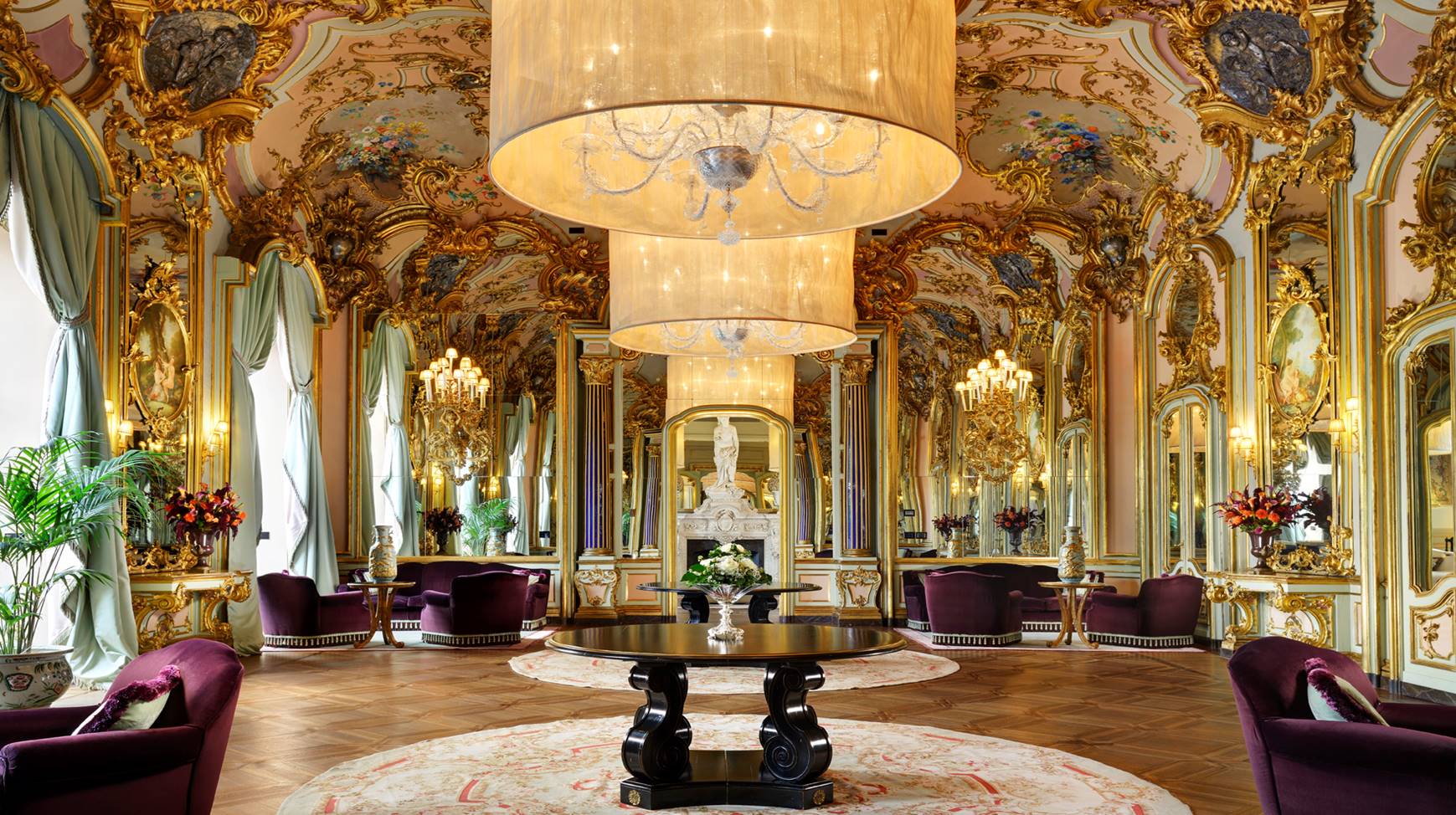
Villa Cora
Florence
You notice the hill before anything else. Villa Cora sits above Florence rather than in it, which sounds like a compromise and turns out to be the whole point. It’s a fifteen minute walk to the Pitti Palace, the Boboli Gardens, the Ponte Vecchio. Less on the shuttle, which is free, and by the third day everyone takes the shuttle.
Then you climb back up, the noise falls away somewhere around the gate, and you’re in a private Italian garden with yew and oak and more than a hundred varieties of roses. There’s a pool at the bottom of the garden, and it’s heated all winter. That one thing changes the whole trip. You can do the city in the morning and swim at three
Inside, it is unapologetically a nineteenth-century house. Baron Oppenheim built it in the 1870s and clearly told Pietro Camparini to hold nothing back. Frescoed ceilings, parquet, a Moorish salon, and a former games room with playing cards painted into the ceiling, in case anyone forgot what the room was for. Eugénie de Montijo owned it afterwards. Debussy played here. It became a hotel in the late 1960s, and the 2010 restoration is why it still reads as a private house rather than a period exhibit.
Dinner is at Le Bistrot by the pool. Drinks at the Santa Garden Cocktail Club, or in the Salotto if the evening turns cool. Ask about the Bellevue Roof Terrace. It’s by arrangement only, and on a clear night it’s the best table in the house. There’s a spa underneath all of it, BENè, if the walking has caught up with you.
Then you drive. Highway most of the way, the Apuan Alps filling the windshield for the last twenty minutes, and the air is cooler by the time you park.
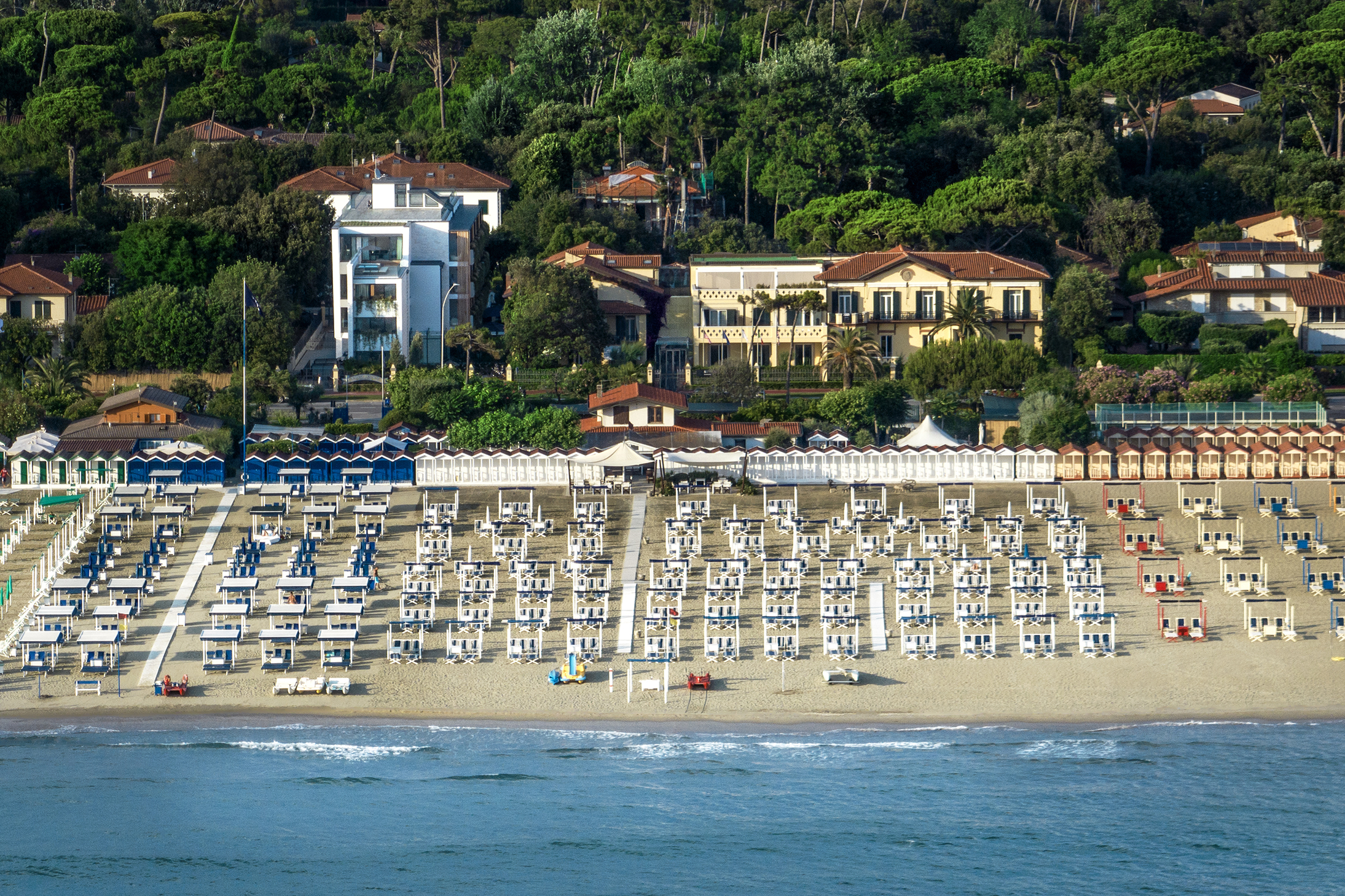
Hotel Byron
Forte dei Marmi
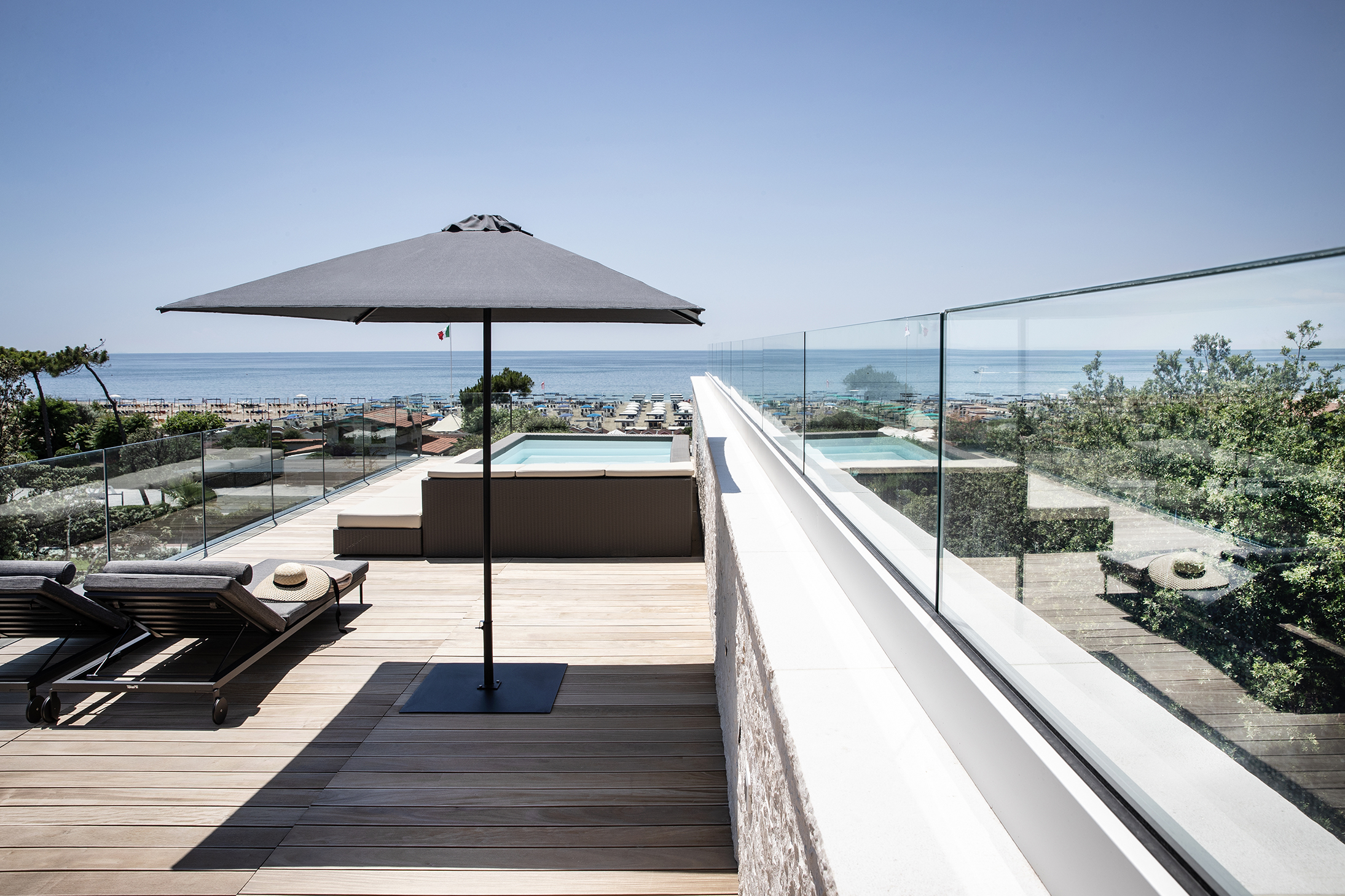
If Villa Cora is a garden with a city at the bottom of it, Byron is a beach with a mountain range behind it.
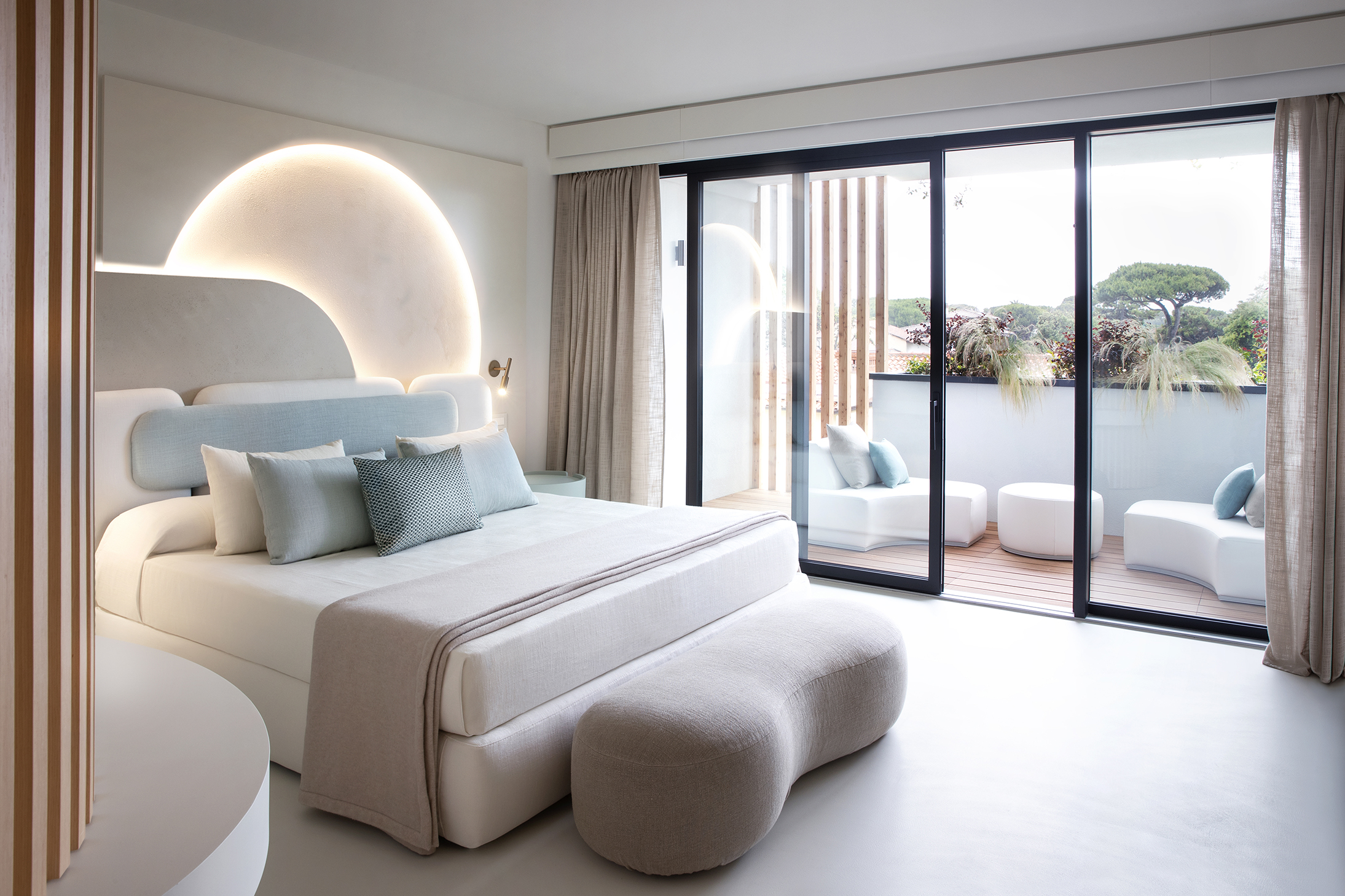
The bones are the same. An aristocratic villa, a family that took it on and turned it into a hotel, low buildings set back in a private garden. What differs is the handling. The old villa stays warm and classic. The Sasso wing next door is cooler and more modern. You pick which version you want to wake up in.
Luchino Visconti spent thirty summers in Forte dei Marmi, which tells you what kind of town this has always been. The setting does the rest. The hotel faces the sea. Turn around and the Apuan Alps are behind you, the Carrara quarries showing white along the ridge.
Salvatore Madonna is the owner, and the service is the kind that makes people describe a hotel as a house. La Magnolia is the Michelin-starred one, where Marco Bernardo cooks Tuscany with Campania folded into it, which is his own background. Onda is the poolside one, easier, and the one our team kept drifting back to. There’s also Byron Art, a permanent program of contemporary work through the hotel, which most seaside hotels don’t bother with.
Outside the gate, The beach club culture here is its own, Italian families taking the same cabina their grandparents took, and it has stayed theirs. The town is flat, green and quiet. Old houses, serious shopping, a market worth building a morning around. Bike everywhere. Nobody needs a car once they’ve arrived, which after a week of Italian roads counts as a luxury in itself.