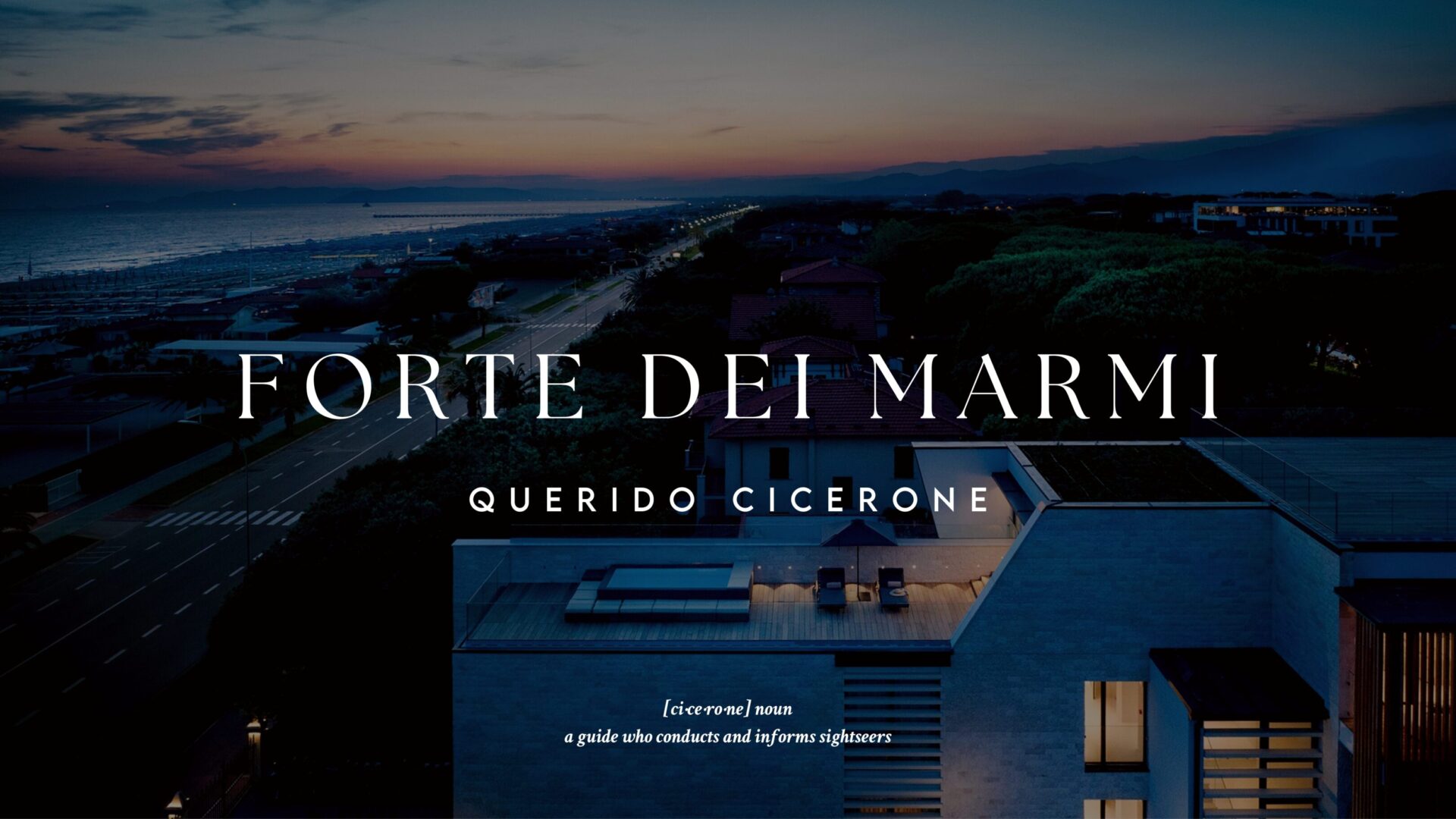
Where to Stay, Eat, and Experience the best of Tuscany's best kept secret
There’s a particular kind of Italian that summers in Forte dei Marmi. They’ve been coming since childhood, they have a favorite table at Lorenzo, and they will not be telling you about this place at a dinner party. The beach clubs have held the same family names for generations. The Apuan Alps sit behind the town like a painting.
Forte dei Marmi has spent the better part of a century perfecting the art of doing very little, very well. No monuments, no tourist trail. Just the sea, the mountains, and the pleasure of being somewhere that has never needed to explain itself.
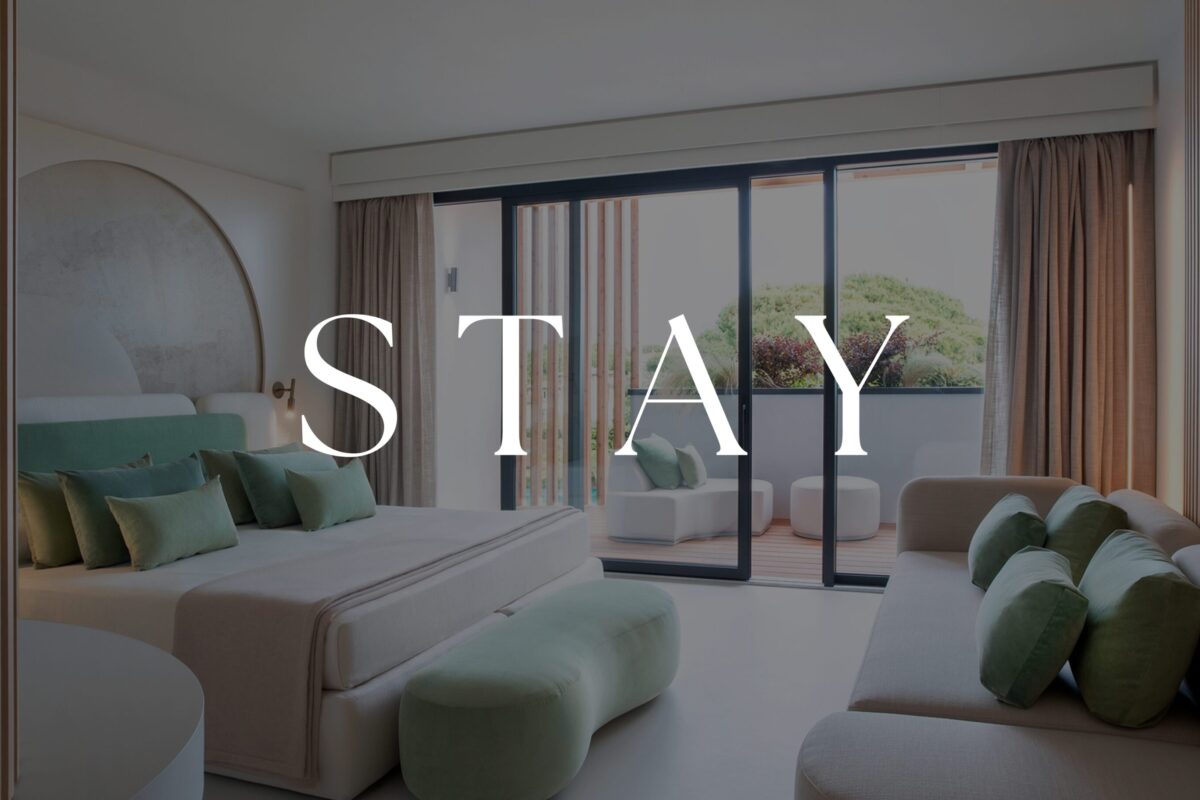
Hotel Byron
The oldest villa in Forte dei Marmi, built in 1879 and named after the English poet who wandered through Tuscany half a century before that. Hotel Byron feels less like a hotel and more like a very beautiful house that simply decided to welcome guests. No two rooms are the same, many opening onto terraces with views of the Mediterranean, the garden, or the Apuan Alps. Chef Marco Bernardo runs both restaurants on the property: La Magnolia, Michelin-starred, and Onda, the more relaxed poolside option for lunches that stretch into late afternoon.
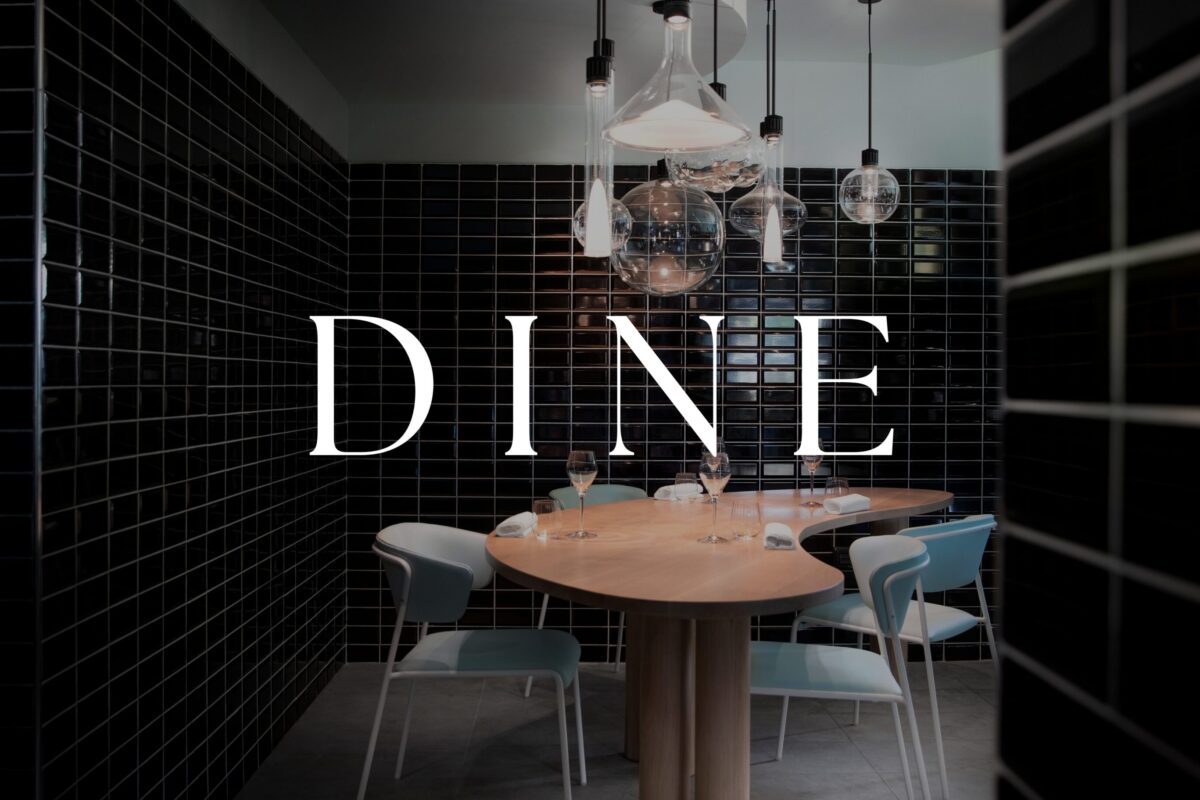
Hotel Byron
La Magnolia holds a Michelin star and carries it with complete ease. The menu is seasonal and hyper-local. Fish from the morning’s catch, herbs from nearby, dishes that trust the ingredients to do most of the work. The terrace garden is the setting you want on a warm night, when the candles are lit and the evening has nowhere to be. Book ahead. Come hungry.
Onda
Hotel Byron
The more casual of Byron’s two restaurants, though casual here still means genuinely excellent. Onda is for the long, unhurried lunch. Tuscan seafood, cold white wine, and the slow realization that it’s somehow four in the afternoon. Nobody seems to mind. That’s rather the point.
Lorenzo
Via G. Carducci 61
Lorenzo has been feeding Forte dei Marmi for decades and has the kind of reputation that arrives before you do. The regulars have been coming for years, some of them for longer than that. The spaghetti alle vongole is the kind of dish that makes you wish you’d ordered a second portion while you were still eating the first. Don’t rush. The kitchen won’t let you anyway.
Osteria del Mare
Via Achille Franceschi
No ceremony, no fuss, just very good fish prepared simply in a room full of people who live here and wouldn’t dream of going elsewhere. Osteria del Mare is the kind of place you find on your second day and return to every day after that. Come sandy from the beach. Come in your linen. You’ll fit right in.
Bocconcino
Piazza G. Garibaldi
The piazza is the living room of Forte dei Marmi, especially at dusk, and Bocconcino has one of the best seats in it. The pizza is excellent, the aperitivo is cold, and the light across the square around seven in the evening is the kind of thing you’ll try to photograph and never quite capture. Come for a drink. Stay for dinner. Let the evening decide the rest.
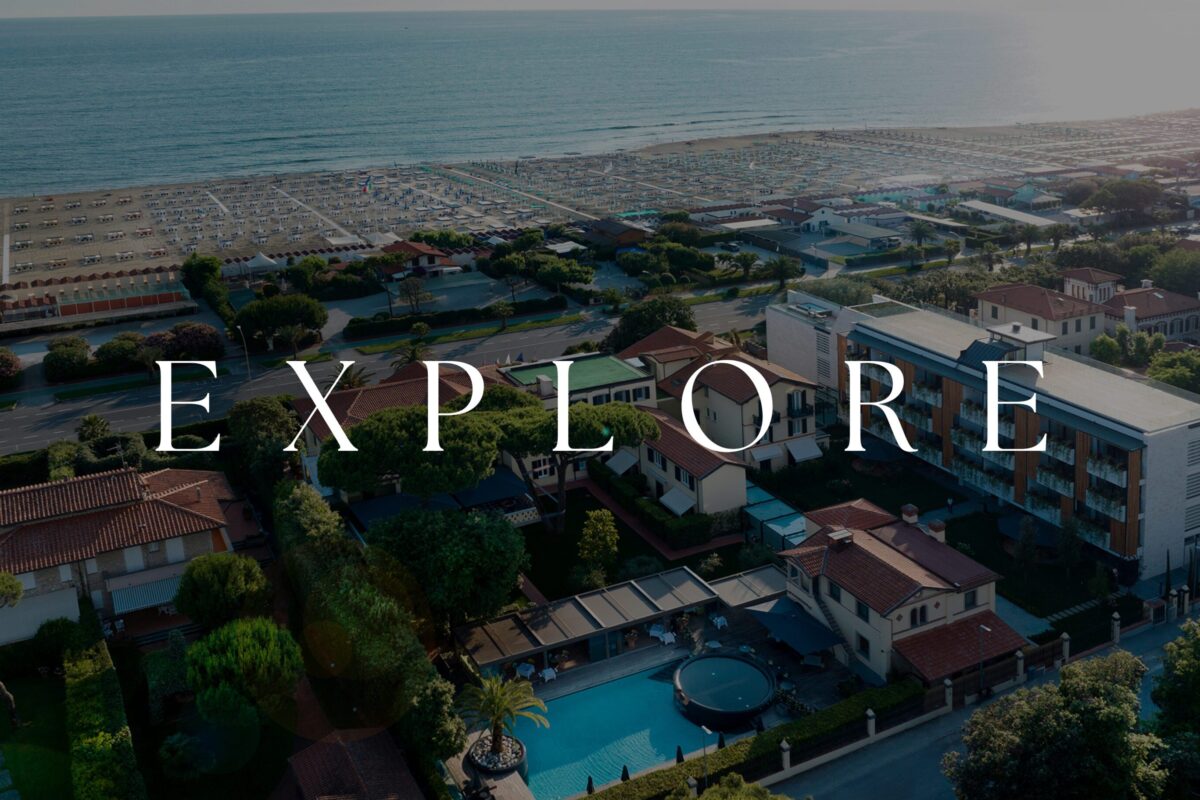
A Boat to Cinque Terre and the Gulf of Poets
Everything looks different from the water. The coastal villages press harder into the cliffs, the sea shifts between green and deep blue without warning, and the whole stretch of Ligurian coastline suddenly makes sense in a way it doesn’t from the road. A half-day boat trip up to Cinque Terre or east toward La Spezia and the Gulf of Poets is one of those mornings that earns its own story and makes the afternoon aperitivo taste even better.
A Cooking Class with a Michelin-Starred Chef
Tuscan cooking isn’t complicated. A morning with one of the region’s serious chefs is less a lesson and more a gentle dismantling of everything you thought you already knew about pasta, olive oil, and patience. The ingredients are local. The technique is quietly precise. And you eat what you make, which turns out to be far better than expected.
Truffle Hunting in the Hills
Drive twenty minutes inland and the coast disappears entirely. You’re in oak forest before the rest of the world has finished breakfast, following a hunter and a dog through a ritual that has been happening in these hills for centuries before anyone thought to call it an experience. It works because it’s entirely real. Lunch follows, obviously. It was always going to.
Inside the Carrara Marble Quarries
Michelangelo came here for his stone. So did Bernini. The quarries are still active, still working, and still vast in a way that photographs genuinely fail to prepare you for. White walls of marble carved into the Apuan Alps, a landscape that looks borrowed from somewhere otherworldly. Go with a guide. Let it take as long as it takes. You’ll leave with a completely different relationship to every sculpture you’ve ever stood in front of.