The best of Treville’s shop was commissioned, not sourced.
Treville opened a shop, and the temptation with a hotel shop is to make it a gift counter. Treville Bazaar went the other way. It has its own address, its own point of view, and a selection built on form and texture and restraint rather than on logo. The idea was to carry the house past its own walls without diluting it: objects that hold something of the place instead of advertising it.
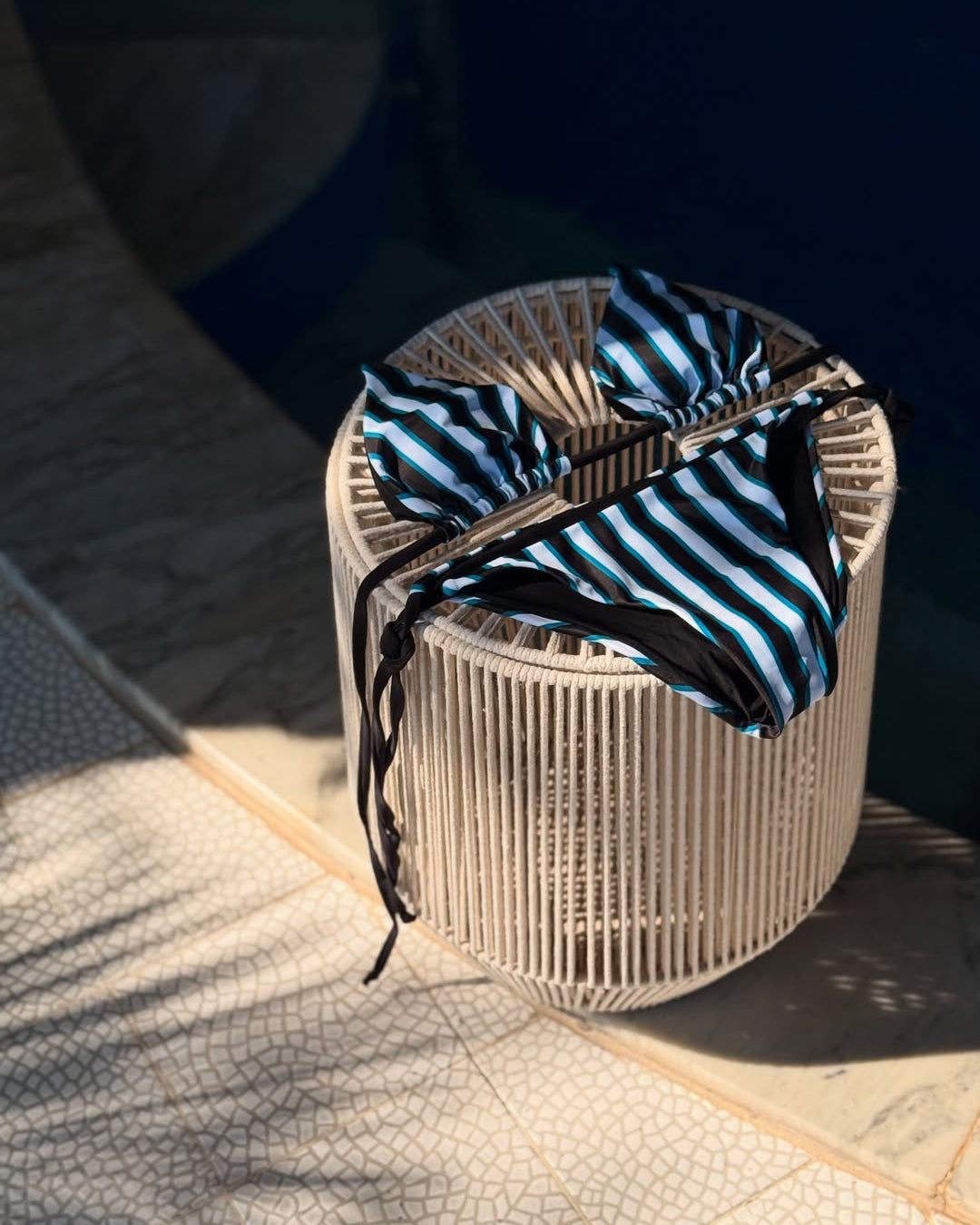
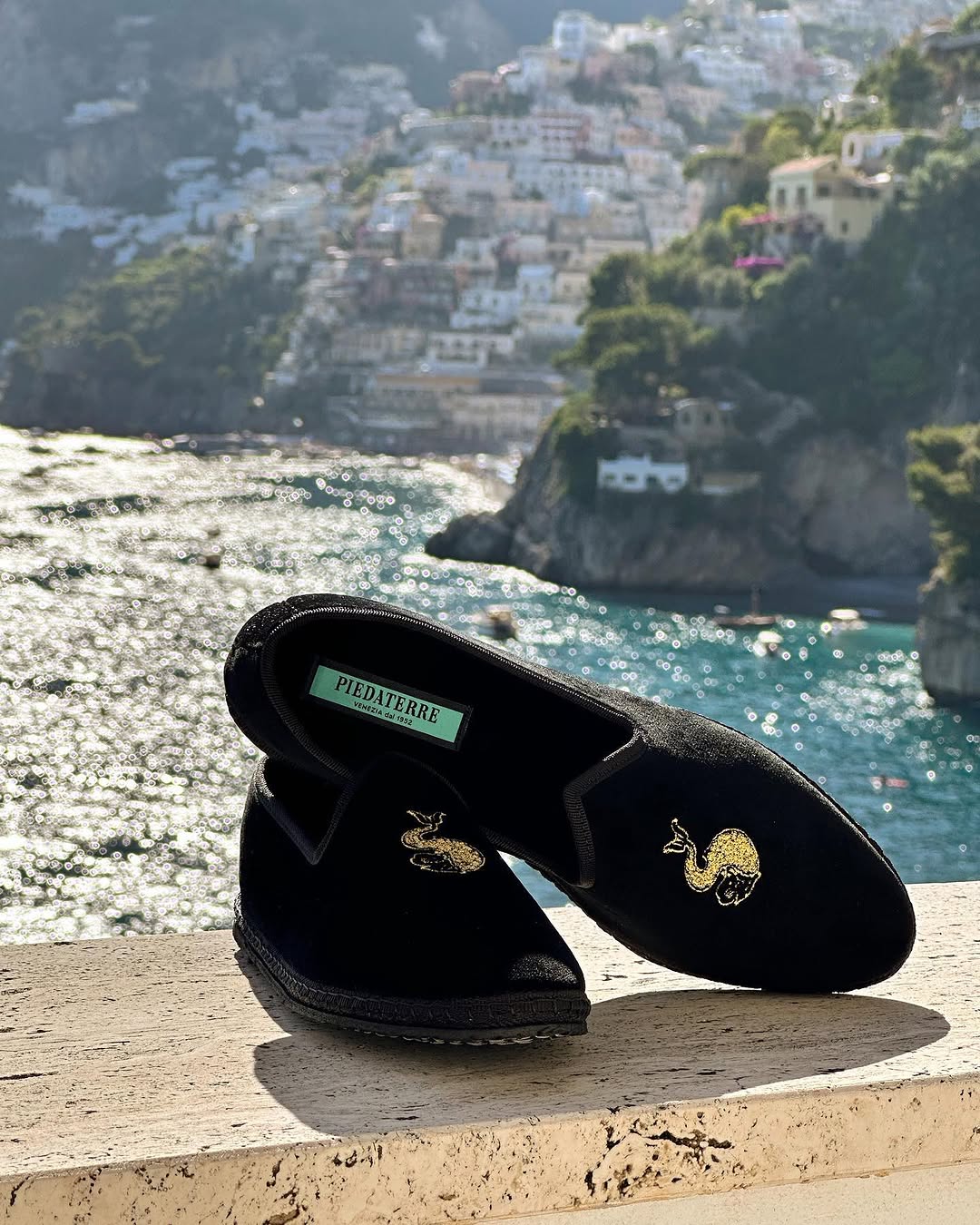
Most of it was made with someone rather than simply bought. L.G.R made eyewear to the house specification. Lisa Corti block printed the pareo, four colourways, the kind of thing that survives a decade of Augusts. There is a striped bikini made by Camicerie Sannino, a Neapolitan shirtmaker working in stripe instead of poplin, and a pair of velvet slippers by Piedaterre, handmade, in sizes that go quickly and do not come back.
Around them sits the rest of it: beachwear, accessories, homeware, beauty, and a small shelf of things to take home that are better than they need to be. It ships worldwide, from the Amalfi Coast.
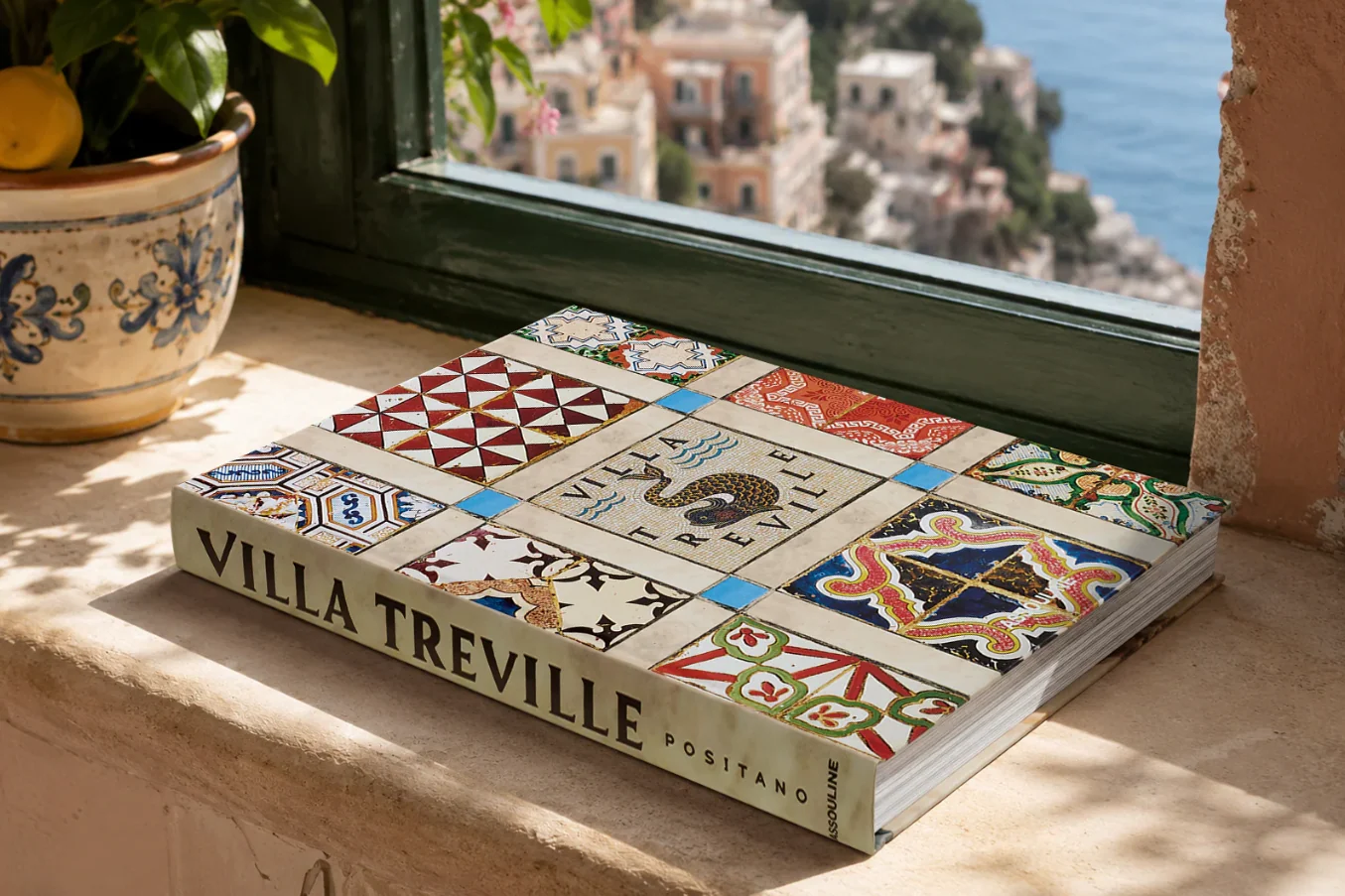
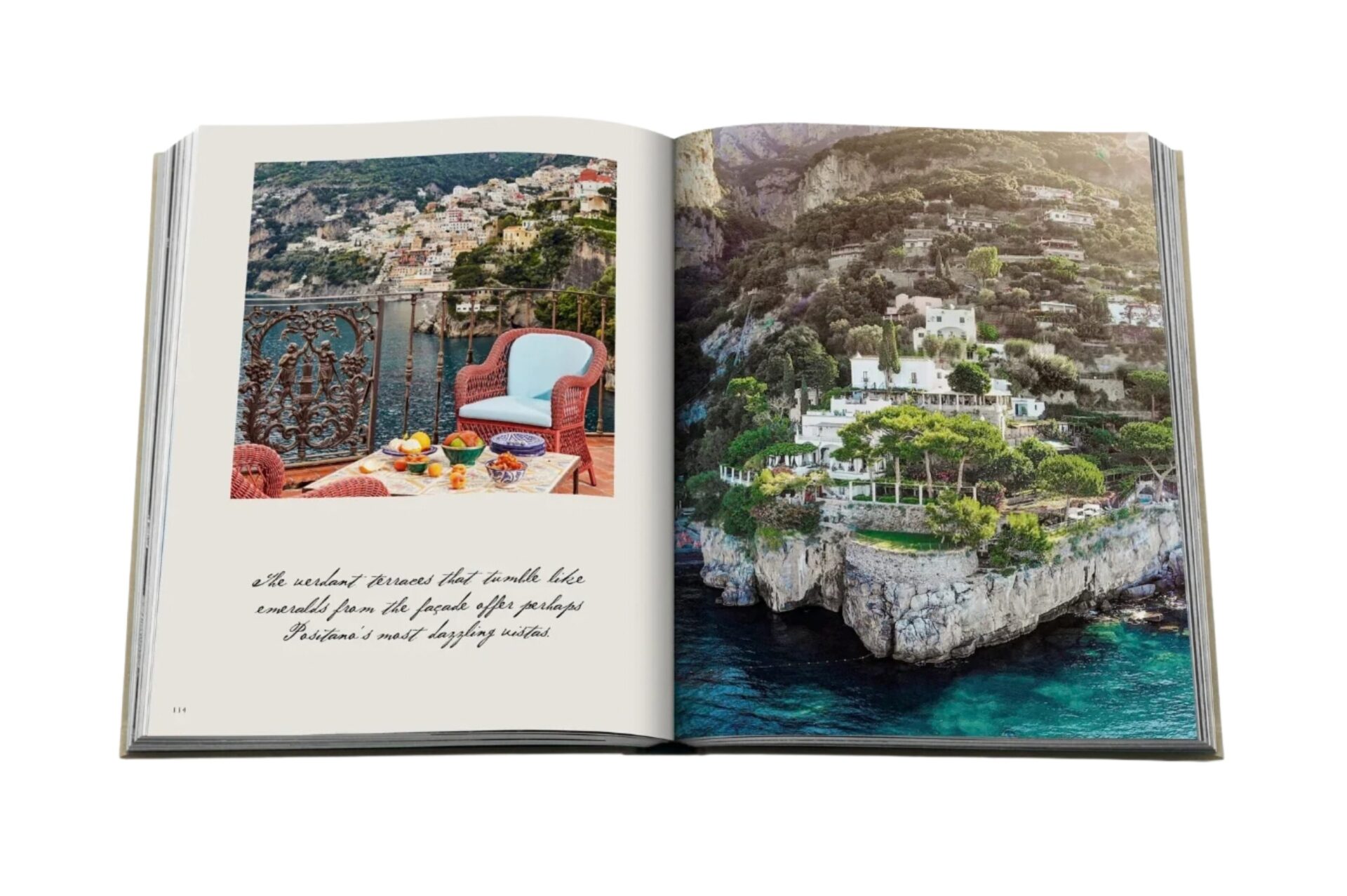
If you want to understand where any of it comes from, the reference exists in print. Assouline has published Villa Treville, Positano: the house as Franco Zeffirelli kept it and as it stands today, the rooms, the terraces, the long sequence of small decisions that made it what it is. It sits on the shelf with everything else, and everything else is downstream of it.
Then we asked Martino…
Anyone who has met Martino Acampora, the General Manager of Treville, has had the thought. The man is always, effortlessly, correctly dressed. So we asked where he shops in Naples, expecting a short list of addresses.
He corrected the question. Not stores, he said. Tailors and artisans.
The shirts come from Sannino. So do the trousers, the suits and the safari jackets, which is a great deal of confidence to place in one workshop and the clearest endorsement he offers. There are others: Kiton, Alfonso Seneca, and when he is in Rome, Sartoria Ripense. Shoes from Piedaterre, from Santoni, from Loro Piana. Beyond that the list narrows fast. Loro Piana again for overcoats and cashmere blazers. Brunello Cucinelli for cashmere and silk. Then it stops. He is not interested in filling a wardrobe. He is interested in a small number of people who make things correctly.
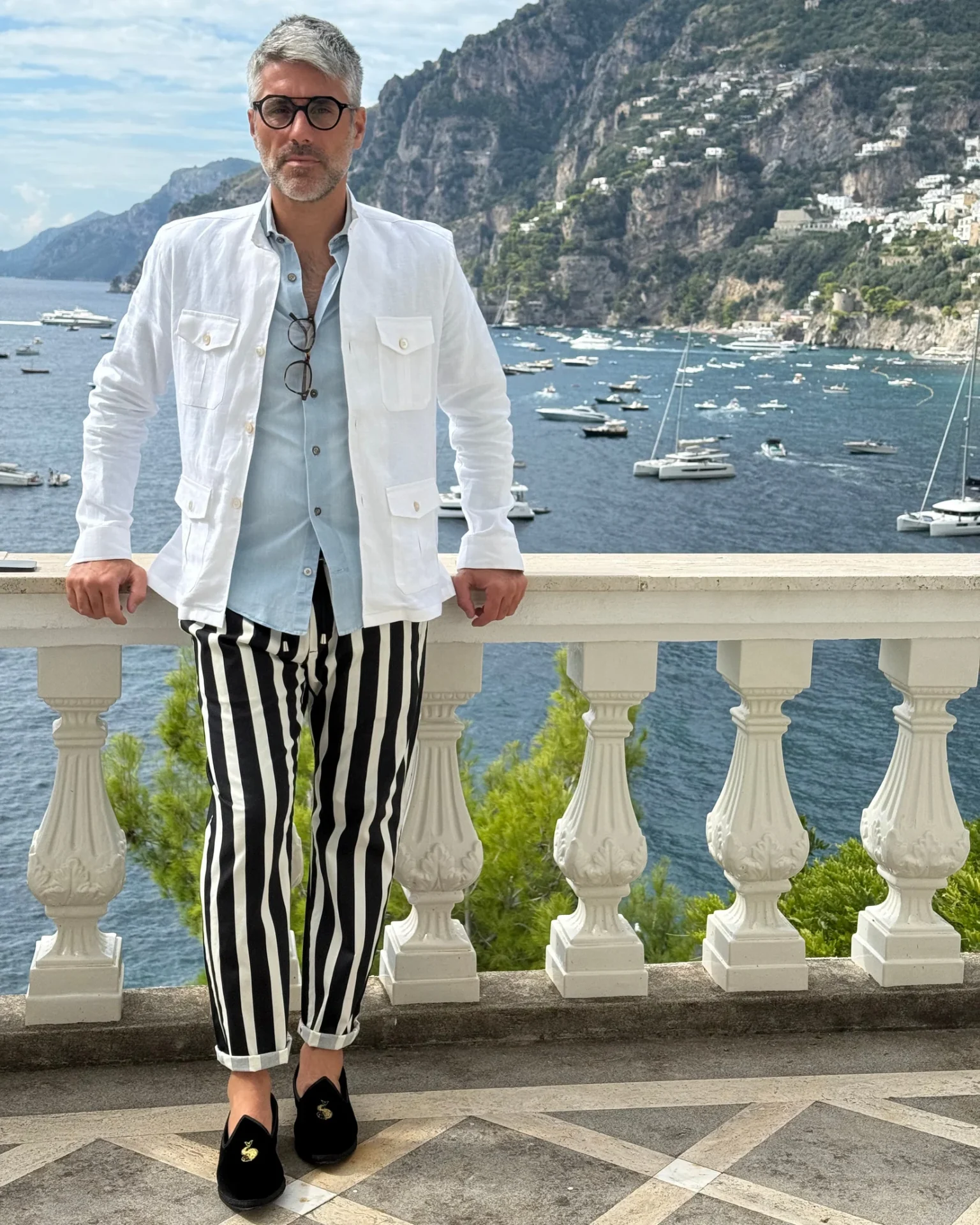
Read that back and two names will be familiar. Sannino cuts his shirts and made the bikini. Piedaterre makes his shoes and made the slippers. The Bazaar never went looking for collaborators. It called the people the house already knew, and asked them to make something else.
Which is the insider part, and the reason the shop works. The pieces that matter were never sourced. They were commissioned, from a short list of people, by someone who buys nothing any other way.